
Parental Involvement in US Schools
School-based Involvement
Common School Events
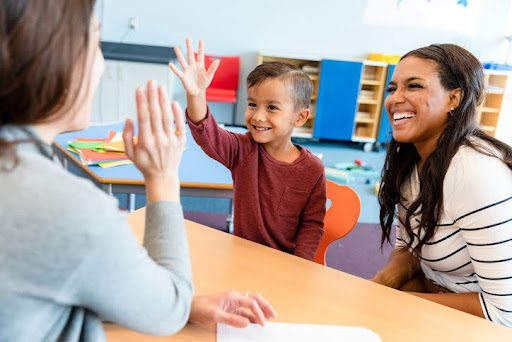
Parent Teacher Conferences
These meetings provide an opportunity for parents to discuss their child’s progress, strengths, and areas for improvement directly with their teachers. It’s an essential part of staying informed and involved in their education. Unlike the more formal and less frequent group meetings in Chinese-speaking regions, these conferences are usually one-on-one and happen at least once or twice a year.
Volunteering in the Classroom
Parents can volunteer to assist teachers with classroom activities, field trips, or special projects. There is often a need for a classroom parent who serves as a classroom coordinator. Classroom parents help communicate with all parents in the class, collect supplies for classroom activities, shop for gifts for teachers, and more.
Back-to-School Nights
These events typically occur at the beginning of the school year and offer parents a chance to meet teachers, learn about the curriculum, and understand classroom expectations. This would also be time for students to bring school supplies.
School Assemblies and Performances
Attending school assemblies, performances, and cultural events can help parents support their children’s extracurricular achievements and integrate more fully into the school community. These events also offer insight into the school culture and values.
Reading and Literacy Programs
Parents can volunteer to read to students or help with classroom literacy groups. Literacy groups are small groups of students who work together on reading and writing activities under the guidance of a teacher or volunteer.
Special events and Celebrations
Special events typically include science fairs, book fairs, cultural nights, career day, and holiday celebrations. Parents can contribute by volunteering or organizing events.
PTA/PTO Meetings
Joining the Parent-Teacher Association (PTA) or Parent-Teacher Organization (PTO) allows parents to be more involved in school decision-making processes. These meetings provide a platform for discussing school policies, organizing events, and fostering a collaborative environment.
Extracurricular Activities and Clubs
Sports Teams
Encouraging participation in school sports can promote physical health, teamwork, and school spirit. Sports teams often require parental support for transportation, volunteering, and attending games.
Clubs and Interest Groups
Schools offer various clubs, such as science clubs, debate teams, and art societies, which cater to different interests and talents. Active involvement in these clubs can enhance social skills and academic engagement.
Music and Arts Programs
Participation in band, choir, theater, or art classes provides creative outlets and opportunities for personal growth. Parents can support by attending performances and exhibitions and encouraging practice at home.
Home-based Involvement
Homework
Helping children with their homework can reinforce learning and demonstrate the value of education. However, it is important to balance assistance with encouraging independence and problem-solving skills. Unlike the heavy parental oversight often seen in Chinese-speaking regions, US educational practices promote students’ autonomy in managing their assignments.
Supplemental instruction
If needed, consider providing additional educational resources, such as enrichment programs, to support your child’s learning. This can help bridge any gaps and strengthen their understanding of challenging subjects.
Tutoring services
Engaging a tutor for subjects where your child needs extra help can be beneficial. Tutoring can be arranged through community centers or private arrangements. Group tutoring sessions with other immigrant families can also provide a sense of community and shared learning experience.Get started
Author’s Advice

In the US, parental involvement is seen as a partnership with the school. Embrace opportunities to engage with teachers and school staff to foster open communication and collaboration. Attend school events, participate in parent-teacher conferences, and communicate regularly with teachers to stay informed about your child’s progress and any areas where they may need additional support.
While academic success is important, encourage your children to explore and participate in extracurricular activities. These activities play a crucial role in developing well-rounded individuals, which is a quality valued by the US education system and an important component of the US college admissions process. Support your child’s interests in sports, arts, and clubs, and guide them in managing their time to balance academics and activities.
In addition, promoting independence is another key aspect. Encourage your children to take responsibility for their learning by setting goals, managing their time, and developing study habits. Teach your children to set achievable goals, use planners or calendars, and practice self-discipline to enhance their organizational skills.
Furthermore, take advantage of local community resources such as libraries, cultural centers, and community colleges, which offer various programs and support services for immigrant families. These resources can provide additional educational opportunities and help integrate your family into the community. Explore local community offerings, participate in library programs, and seek out cultural events to enrich your family’s experience.
It is also important to support your children’s social integration. Help your children build social connections by arranging playdates, participating in community events, and encouraging friendships with peers from diverse backgrounds. Foster an inclusive environment at home, discuss cultural diversity, and be open to new social experiences to help your child feel more comfortable and confident in their new environment.
Understanding the different ways parents can be involved in your children’s education is essential for families adapting to the US education system, as parental involvement can significantly enhance a child’s academic success and overall development and well-being.
 East Meets West